Mulch or stone
We'll help you pick what suits each bed.
 Book Now
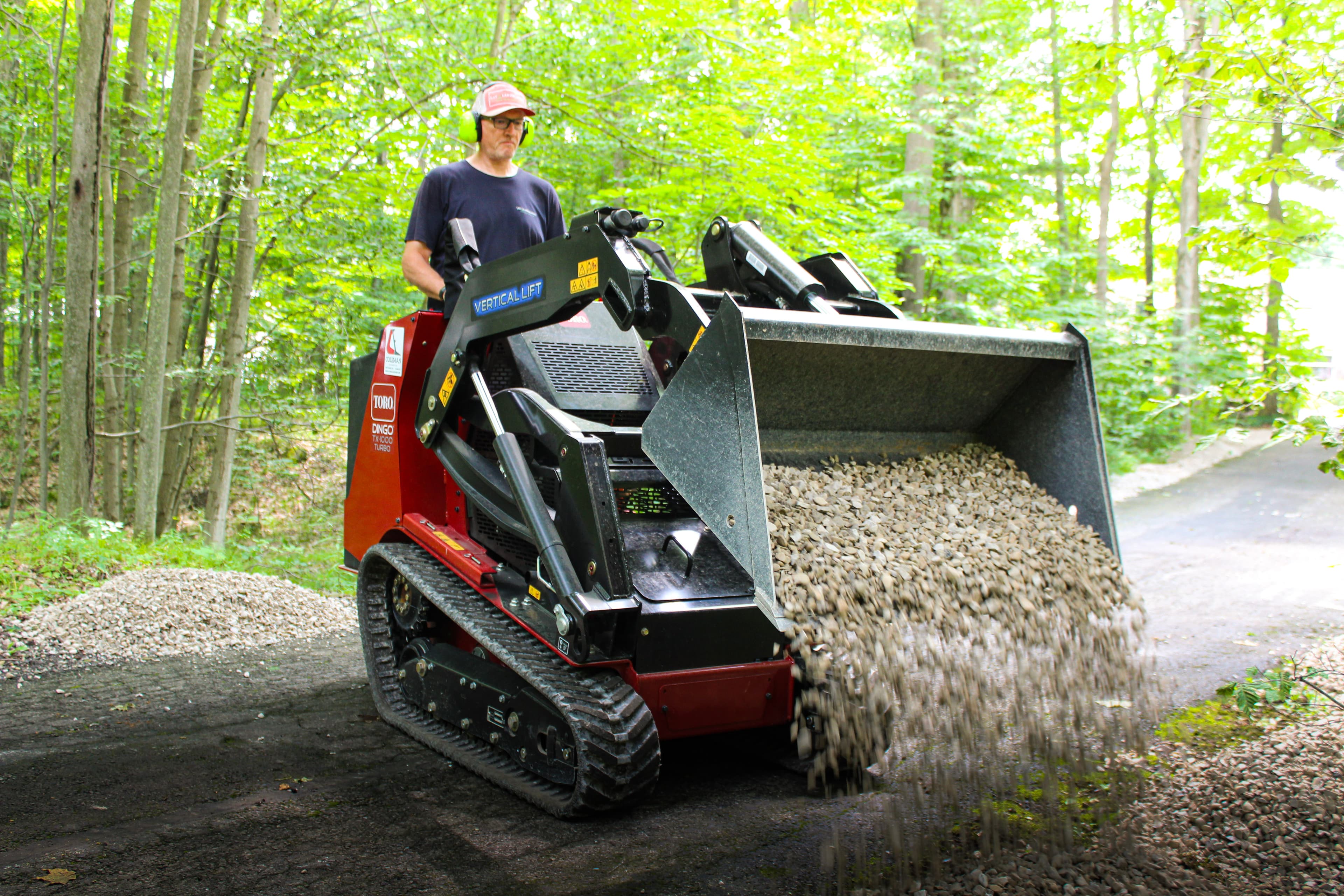
Garden beds weeded, edged and finished with fresh mulch, river rock or gravel, laid at the right depth with clean lines.
Mulch & River Rock Installation in Cambridge, Ontario
Weeds out, edges cut, and the right material at the right depth.
Lay Landscaping installs mulch, river rock and gravel for homes across Cambridge, Kitchener, Waterloo and Guelph. We clear weeds and old material, cut clean bed edges and lay ground cover at the right depth. Mulch feeds the soil and keeps beds tidy, while rock and gravel last longer and suit low-maintenance yards and drainage areas.
We'll help you pick what suits each bed.
Nothing gets laid over weeds or old, tired mulch.
Driveway edges, side yards and drainage strips.
Bark mulch breaks down over time and adds organic matter to the soil. It holds moisture, keeps roots cooler in summer and suits planting beds you'll keep adding to. It does need topping up, usually every year or two.
River rock and decorative stone don't break down, so they rarely need replacing, and they're good along foundations, in side yards and wherever water runs. Stone holds heat and doesn't feed the soil, though, so it's not ideal around plants that like cool, moist roots. Plenty of yards use both: mulch in the planting beds, rock where it's practical.
Ground cover laid over weeds, or too thin, looks good for a few weeks and then doesn't. We clear the beds first, cut an edge so the material stays where it belongs, and spread it deep enough to hold back weeds without smothering roots. Mulch is kept off stems and trunks so they don't rot.
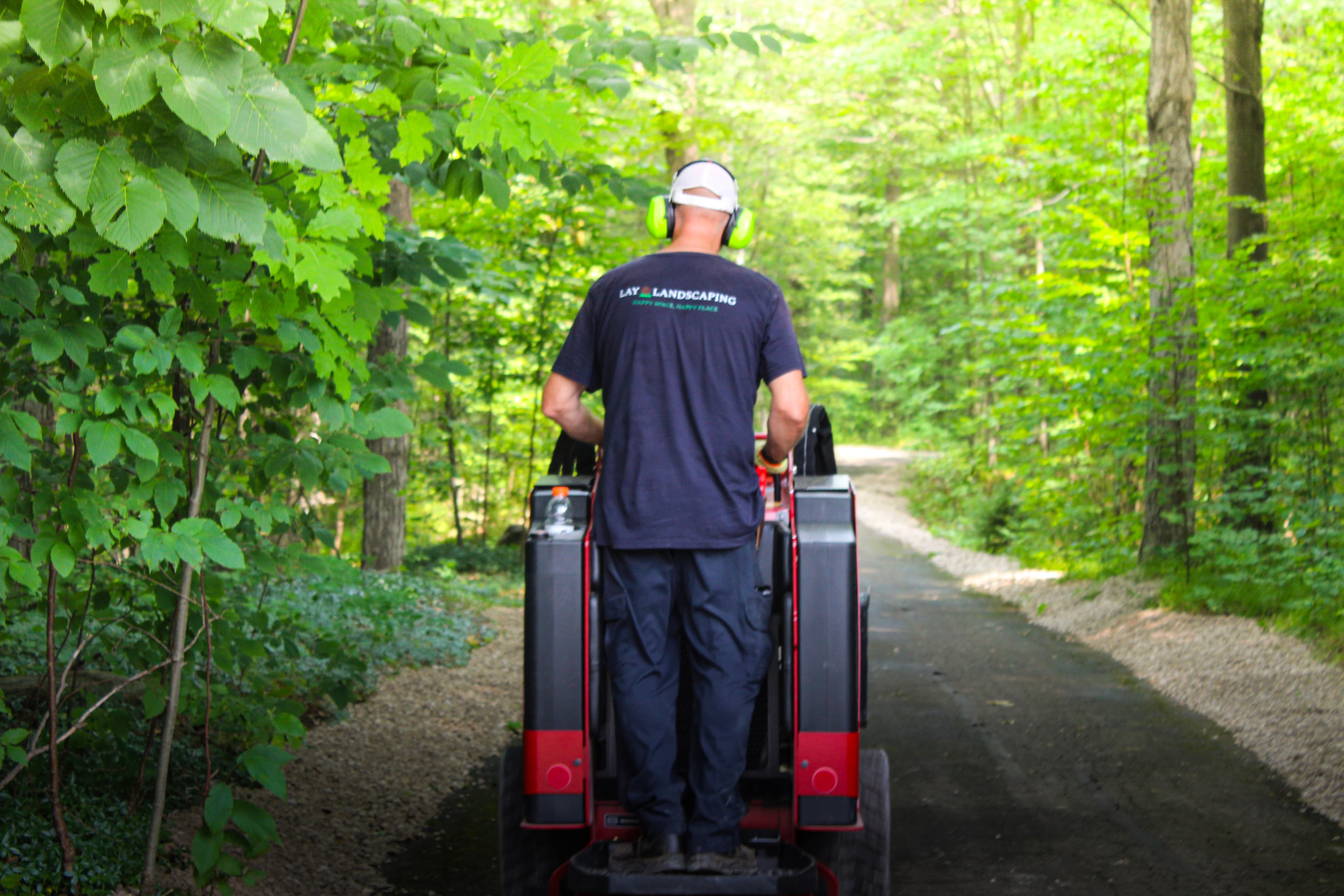
We also spread gravel and crushed stone along driveway edges, in side yards and paths, and for drainage strips. A compact loader moves the material quickly, without wheelbarrow ruts across your lawn.
Late April through May is the busiest time for mulch in Waterloo Region, so book early if you want beds refreshed for spring.
River rock or gravel along a foundation is a practical choice for low-maintenance yards and for spots that collect runoff.
The Region of Waterloo has been asking residents to save water outdoors. Mulched beds hold moisture and need less watering in summer.
Last updated November 2026.
Our Process
From the first conversation to the final walkthrough, we keep every step clear and easy to follow.
We help you pick mulch, rock or both for each area.
Weeds and old material come out and the edges are cut.
Ground cover is spread evenly at the right depth.
Walkways and lawn edges are cleaned up before we go.
Questions
Something else on your mind? Call (519) 240-8951 or send us a message.
More detail in our guide: Mulch vs river rock for garden beds.
It depends on the size of the area and the depth, the material (stone costs more up front than mulch but lasts much longer), how much bed preparation is needed and access. We give a free quote after seeing the beds.
Most bark mulches break down enough to need a top-up every one to two years. Stone lasts for many years with the odd cleaning and weeding.
Stone is often the better choice right against a foundation, because it doesn't hold moisture against the house or break down. In planting beds, mulch is usually better for the plants.
Spring, once the soil has warmed, is the most common time, and fall works well too. Whenever you do it, keep mulch from piling up against stems and tree trunks.
Related services
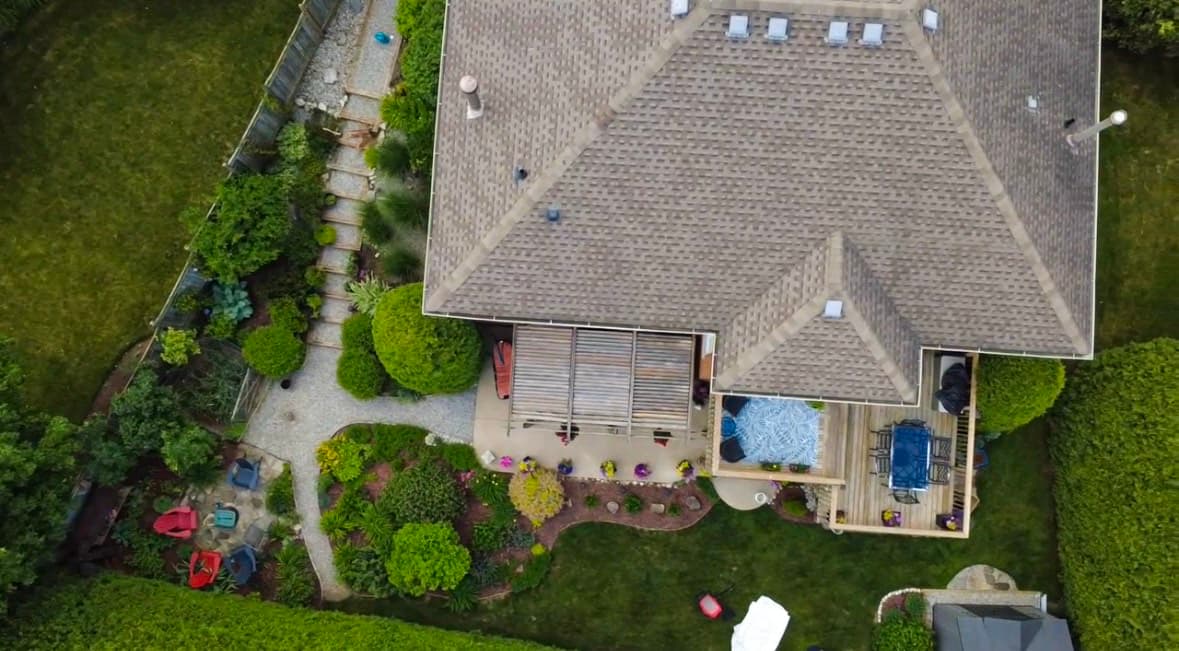
Planting beds and garden layouts designed, installed and cared for through every season.

Durable pathways installed with careful preparation, clean lines, and a solid finish.
Seasonal clearing, pruning, and preparation to reset your property.
Have a project in mind?
Tell us what you're looking for and we'll help you figure out the right next step for your property.
Book Now